Liquorice (Sweets & Tea)
Occasional liquorice sweets or liquorice tea are generally fine during pregnancy, but regular or large amounts should be avoided — liquorice root contains a compound linked to effects on the baby if eaten frequently.
Last updated: October 2026 Cross-checked against NHS guidance
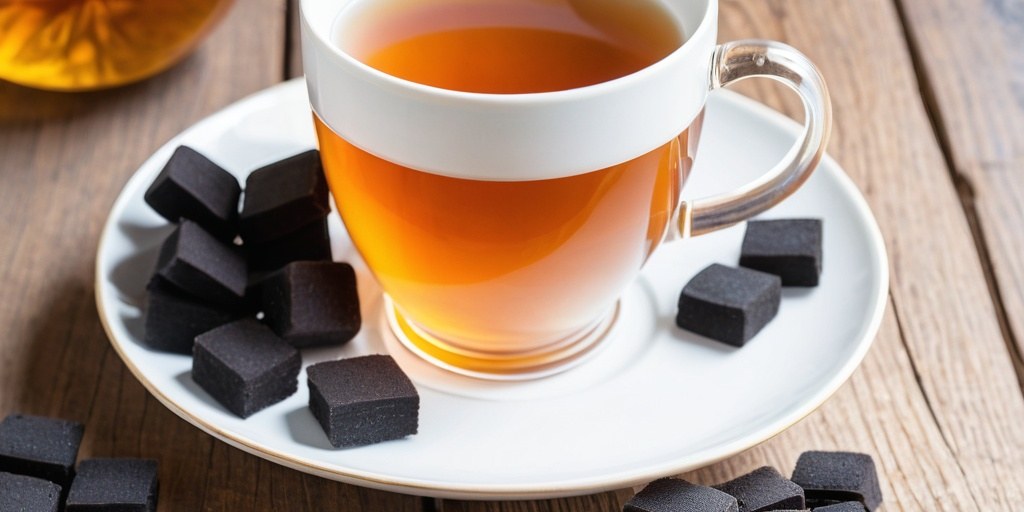
Liquorice is one of the few foods where pregnancy guidance is genuinely about quantity and frequency rather than a simple avoid-or-eat answer. The root contains a compound called glycyrrhizin, which in large or frequent amounts has been linked in research to effects on cortisol regulation that may affect a developing baby — some studies have associated high liquorice intake during pregnancy with earlier delivery and, in follow-up research, differences in child behaviour and cognitive development. This is specifically about regular, high consumption, not an occasional liquorice sweet or a cup of liquorice tea now and then. UK food safety guidance takes a cautious approach and advises limiting liquorice — including liquorice sweets, liquorice tea, and liquorice root supplements — to occasional, small amounts rather than a daily habit. Black liquorice sweets (the traditional kind, not liquorice-flavoured sweets that don't actually contain liquorice extract) and liquorice tea are the main sources to be mindful of; many fruit-flavoured 'liquorice allsorts'-style sweets contain little or no actual liquorice extract and aren't a concern in the same way.
What to be aware of
- An occasional liquorice sweet or cup of liquorice tea is not considered a significant concern.
- Regular or large amounts of liquorice (sweets, tea, or liquorice root supplements) should be avoided due to glycyrrhizin's potential effects on the baby.
- Check whether a sweet actually contains liquorice extract — some liquorice-flavoured sweets don't, and aren't a concern.
US guidance
The FDA has issued similar warnings about glycyrrhizin in black liquorice, though its guidance is framed as a general caution for everyone rather than pregnancy-specific — UK guidance is more explicit about limiting liquorice during pregnancy specifically.