Matcha
Matcha is safe during pregnancy in moderation, but it's more concentrated in caffeine than regular green tea, since you consume the whole powdered leaf rather than just steeping and removing it.
Last updated: October 2026 Cross-checked against NHS guidance
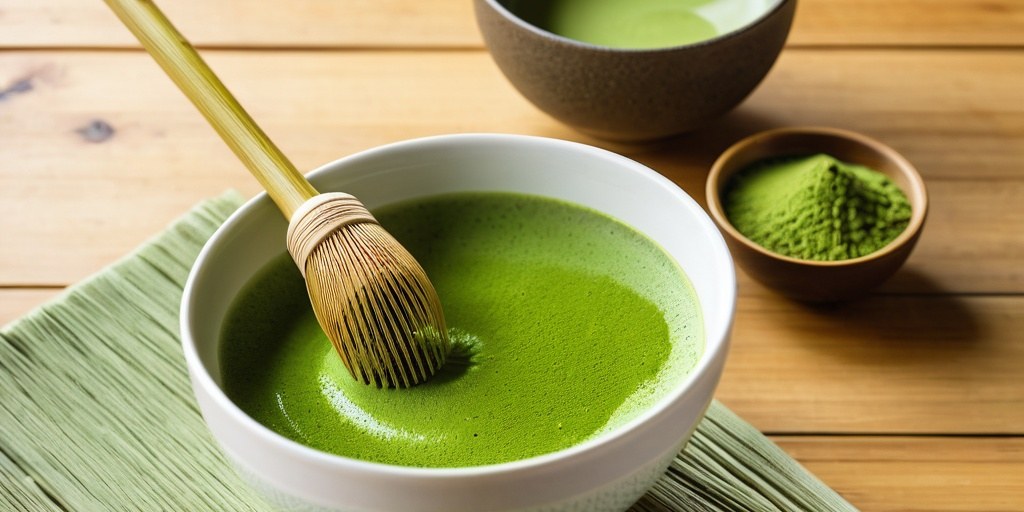
Matcha is powdered green tea leaf, traditionally whisked into hot water or milk rather than steeped as loose leaves or a bag that gets removed — which means you're consuming the entire leaf, not just what infuses out of it in a few minutes. That makes matcha noticeably more concentrated in caffeine than an equivalent cup of regular green tea, so it needs to be counted more carefully toward the overall 200mg daily caffeine limit recommended during pregnancy. A typical bowl of matcha can contain roughly as much caffeine as a cup of coffee, depending on how it's prepared and how much powder is used, so it isn't a 'safe unlimited' herbal option the way some other teas are. Matcha itself carries no other pregnancy-specific risk beyond its caffeine content — the concern is purely about staying within the daily limit when matcha is one of several caffeinated drinks in a day.
What to be aware of
- Count matcha toward your 200mg daily caffeine limit — it's more concentrated than regular green tea, roughly comparable to a cup of coffee per serving.
- Be mindful of matcha-flavoured drinks and desserts adding up alongside tea, coffee, and other caffeinated drinks across the day.
- One or two servings a day is generally fine within the overall caffeine limit; it's the total across all sources that matters, not matcha specifically.
Safe substitutes for Matcha during pregnancy
If you're craving matcha but it's off the menu for now, these are safe swaps that still feel like a proper meal:
- Decaf green tea — Gives a similar flavour without the concentrated caffeine hit.
- Rooibos tea — Naturally caffeine-free and considered safe in normal amounts.
US guidance
US guidance applies the same caffeine-counting approach — matcha isn't singled out, but its caffeine content should count toward the recommended daily limit.