Pregnancy food guidance, in plain English

Herbal Teas

Many herbal teas are safe during pregnancy in moderation, but some should be avoided entirely. Ginger and peppermint are generally considered safe. Avoid liquorice root and raspberry leaf in early pregnancy.

Eat with caution
Herbal Teas

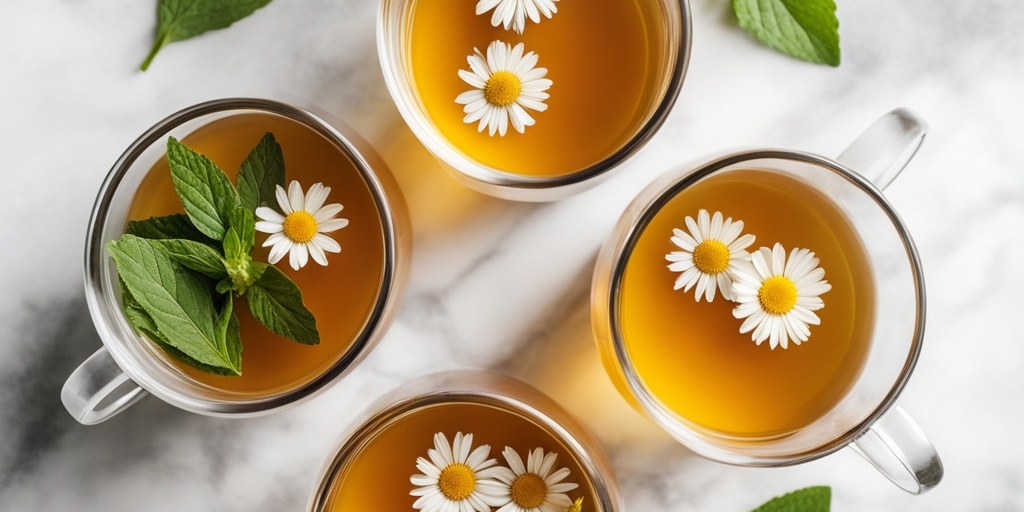
Herbal teas are made from plant material rather than tea leaves and are generally caffeine-free — but 'natural' does not automatically mean safe during pregnancy. Some plant ingredients have medicinal effects that are not appropriate when expecting. The NHS advises limiting herbal teas to no more than one to two cups per day and avoiding some types altogether. Ginger tea is widely used for pregnancy nausea and is considered safe in culinary amounts. Peppermint tea is generally considered safe and can help with digestion. Chamomile is considered safe in moderation. What to avoid: liquorice root tea (can raise blood pressure and has been associated with premature labour), raspberry leaf in the first and second trimester (traditionally used to prepare for labour and not recommended before 36 weeks), pennyroyal (a uterine stimulant), and dong quai. Always check the ingredients list on blended teas — 'detox' and 'slimming' blends often contain herbs to avoid.

What to be aware of

  • Limit herbal teas to 1–2 cups per day — even safe varieties should not be consumed in large amounts.
  • Avoid liquorice root tea throughout pregnancy.
  • Avoid raspberry leaf tea until at least 36 weeks — traditionally associated with stimulating labour.
  • Avoid teas containing pennyroyal, dong quai, or other medicinal herbs.
  • Check blended teas carefully — 'detox' and 'slim' blends often include herbs to avoid.
  • Ginger, peppermint, and chamomile are generally considered safe in moderation.

US guidance

US health organisations similarly advise caution with herbal teas in pregnancy and recommend checking with a doctor before consuming herbal products. Guidance on specific herbs is broadly consistent with NHS advice.

Pregnancy-safe recipes

These recipes are designed with pregnancy safety in mind.

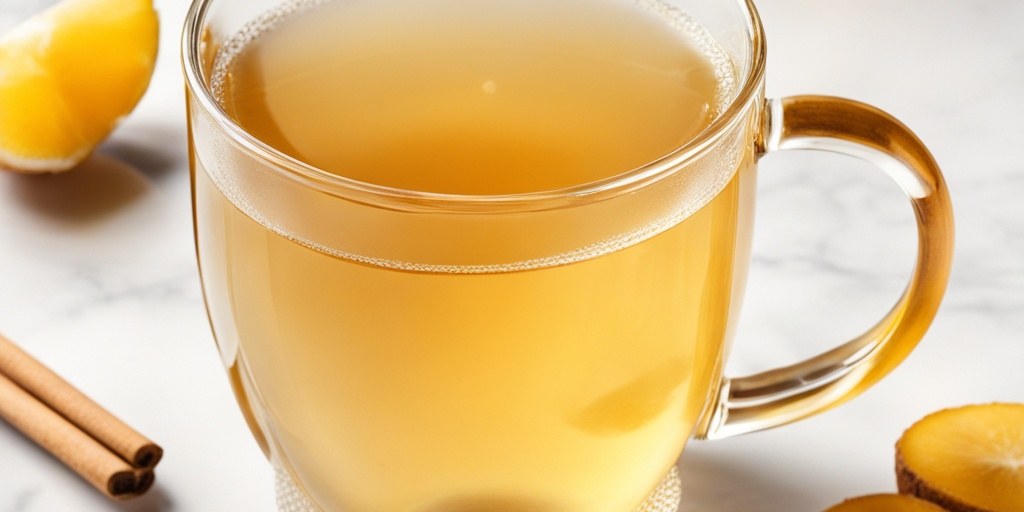
Fresh ginger and honey tea

Fresh ginger and honey tea

A soothing ginger infusion widely used to ease pregnancy nausea — simple, warming, and safe in moderation.

Pregnancy tip: Fresh ginger in culinary amounts is safe throughout pregnancy and is one of the best-evidenced natural remedies for morning sickness. Stick to 1–2 cups per day.

Ingredients

  • 3–4 slices fresh ginger root (about 1cm thick), peeled
  • 300ml freshly boiled water
  • 1 tsp honey
  • Slice of lemon (optional)

Method

  1. Peel and thinly slice the ginger root.
  2. Place ginger slices in a mug or heatproof glass.
  3. Pour over freshly boiled water.
  4. Steep for 5–10 minutes depending on preferred strength.
  5. Stir in honey until dissolved.
  6. Add a slice of lemon if desired.
  7. Sip slowly — especially helpful first thing in the morning.
Peppermint and lemon infusion

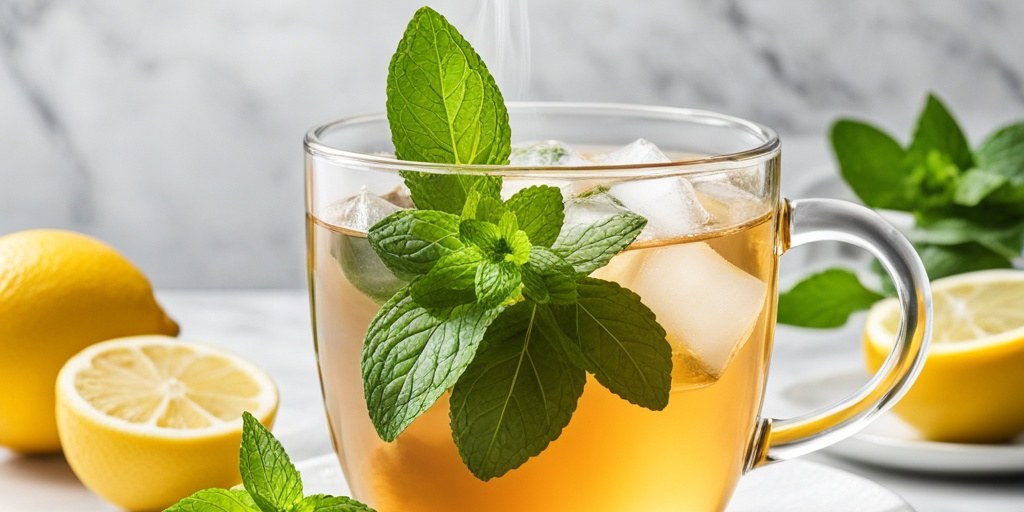
Peppermint and lemon infusion

A refreshing, caffeine-free hot drink that can help settle the stomach and ease indigestion.

Pregnancy tip: Peppermint is considered safe throughout pregnancy. This works equally well hot or cooled over ice — a versatile drink for any time of day.

Ingredients

  • 1 peppermint tea bag, or a large handful of fresh mint leaves
  • 300ml freshly boiled water
  • Juice of half a lemon
  • 1 tsp honey (optional)

Method

  1. Place the tea bag or fresh mint in a mug.
  2. Pour over freshly boiled water.
  3. Steep for 4–5 minutes.
  4. Remove the tea bag or strain out the mint.
  5. Stir in lemon juice and honey if using.
  6. Serve hot, or allow to cool and pour over ice.