Caesar Dressing
Shop-bought and most restaurant Caesar dressing is safe during pregnancy, as it's made with pasteurised egg. Homemade Caesar dressing made with raw egg yolk should be avoided.
Last updated: October 2026 Cross-checked against NHS guidance
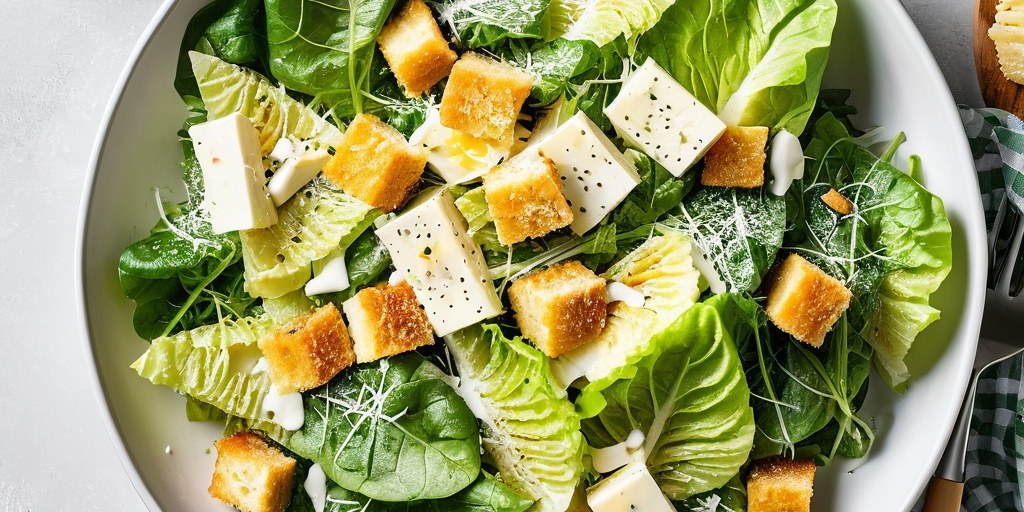
Classic Caesar dressing is traditionally made with raw egg yolk, anchovies, garlic, and parmesan whisked into oil — which sounds concerning, but in practice almost all Caesar dressing eaten today, whether bottled, from a supermarket, or served at a restaurant, is made commercially with pasteurised egg rather than the traditional raw-egg recipe. This makes it safe to eat during pregnancy in the overwhelming majority of cases, in the same way shop-bought mayonnaise and aioli are safe. The exception is a genuinely homemade, from-scratch Caesar dressing made by someone following the traditional raw-egg recipe exactly — a small minority of restaurants and some home cooks still do this — which carries the usual raw-egg Salmonella risk. The anchovies in Caesar dressing are also safe during pregnancy in their own right, since they're cured or tinned rather than raw. If you're ever unsure whether a restaurant's Caesar salad uses a raw-egg dressing, it's a reasonable thing to ask.
What to be aware of
- Shop-bought and most restaurant Caesar dressing is safe — it's made with pasteurised egg.
- A genuinely homemade, from-scratch Caesar dressing following the traditional raw-egg recipe should be avoided.
- The anchovies and parmesan in Caesar salad are both safe during pregnancy in their own right.
US guidance
US guidance follows the same distinction — commercially produced Caesar dressing is safe, while a traditional raw-egg homemade version carries the standard Salmonella caution.