Aioli
Shop-bought aioli is safe during pregnancy, the same as mayonnaise, since it's made with pasteurised egg. Homemade aioli made with raw egg should be avoided.
Last updated: October 2026 Cross-checked against NHS guidance
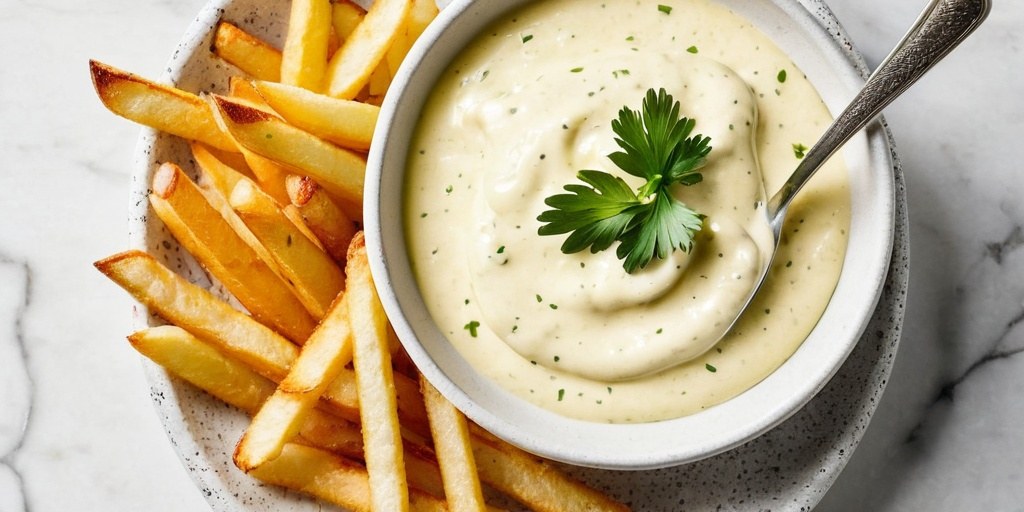
Aioli — the garlic-forward cousin of mayonnaise — follows exactly the same safety logic as mayonnaise, since it's essentially an egg-and-oil emulsion with garlic added. Shop-bought aioli from a jar, supermarket tub, or most restaurants is made with pasteurised egg (or pasteurised liquid egg), which eliminates the Salmonella risk that raw egg can carry, making it safe to eat throughout pregnancy. The exception is homemade aioli made from scratch with raw, unpasteurised egg yolks and raw garlic whisked into oil — a traditional preparation still used by some home cooks and a handful of restaurants — which does carry the same raw-egg Salmonella risk as homemade mayonnaise. If you're unsure whether a restaurant's aioli is housemade with raw egg, it's reasonable to ask; most now use a commercial base or pasteurised egg even when making it fresh in-house. The garlic itself carries no pregnancy-specific concern at any quantity.
What to be aware of
- Shop-bought and jarred aioli is safe — it's made with pasteurised egg.
- Avoid homemade aioli made with raw egg yolks, which carries a Salmonella risk.
- If dining out, it's reasonable to ask whether a restaurant's aioli is made fresh with raw egg.
US guidance
US guidance follows the same raw-vs-pasteurised egg distinction — commercial aioli is safe, homemade with raw egg should be avoided.