Plant-Based Meat Substitutes
Plant-based meat substitutes such as Quorn, tofu-based products, and pea-protein meat alternatives are safe during pregnancy when cooked according to packet instructions.
Last updated: October 2026 Cross-checked against NHS guidance
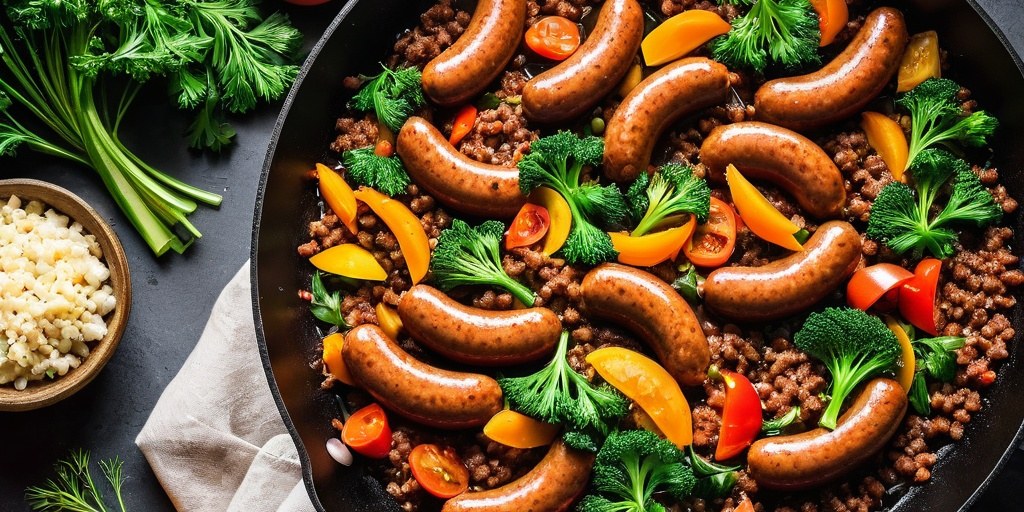
Meat substitutes — including Quorn (mycoprotein-based), pea- and soy-protein products, and other plant-based mince, sausages, and burgers — are safe to eat during pregnancy. Like meat itself, these products should be cooked according to packet instructions and served hot, particularly products designed to mimic mince, sausages, or burgers, since the same general food safety principle of avoiding undercooked or improperly reheated food applies regardless of whether the protein source is animal or plant-based. Plant-based meat substitutes do not carry the specific pregnancy risks associated with meat, such as Toxoplasma or the concern around liver's vitamin A content, but they are often more processed than a simple cut of meat, and some products are high in salt — worth checking labels, as with any processed food. Nutritionally, they can be a useful source of protein and iron, though plant-based iron (non-haem iron) is absorbed less efficiently than the iron in meat, so pairing meals with a source of vitamin C (citrus fruit, peppers, tomatoes) can help absorption. If you are vegetarian or vegan and relying more heavily on these products, it is worth ensuring your overall diet also covers vitamin B12, iodine, and omega-3s, which are less abundant in plant-based diets generally.
What to be aware of
- Cook according to packet instructions and serve hot, the same as any meat product.
- Check labels for salt content, as plant-based substitutes are often more processed.
- Pair with a vitamin C source to help absorb the non-haem iron in plant-based protein.