Stilton & Hard Blue Cheese
Stilton is safe during pregnancy, despite being a blue cheese — because it is hard rather than soft, its low moisture content means Listeria risk is very low. This is different from soft blue cheeses like Gorgonzola, which should be avoided unpasteurised or uncooked.
Last updated: October 2026 Cross-checked against NHS guidance
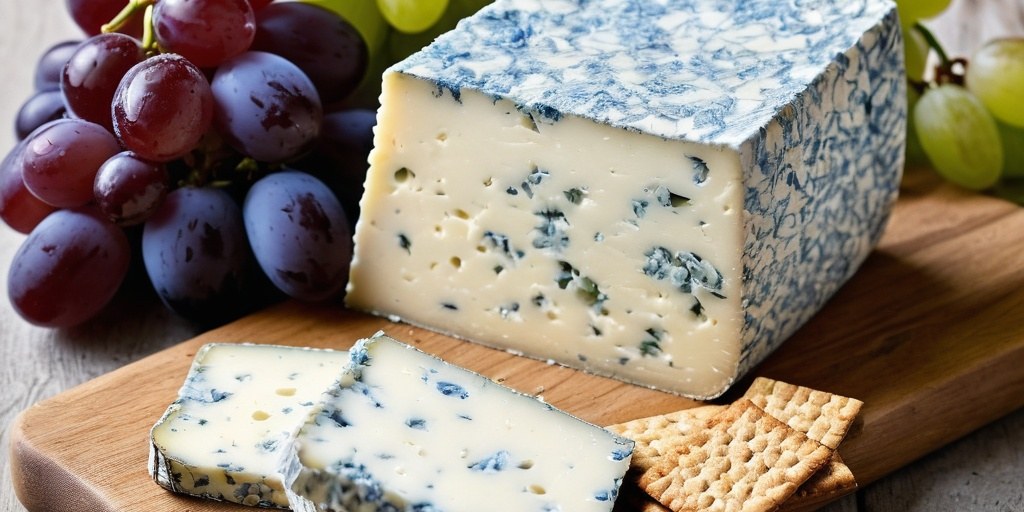
This is one of the most commonly misunderstood pieces of pregnancy food guidance: not all blue cheese needs to be avoided. The rule that matters is soft versus hard, not blue versus non-blue. Stilton, despite its blue veining, is a hard, crumbly cheese with a much lower moisture content than soft blue cheeses such as Gorgonzola or Roquefort. That low moisture makes it a poor environment for Listeria to grow, which is why UK NHS guidance specifically lists Stilton as safe to eat during pregnancy, whether pasteurised (as almost all commercially sold Stilton is) — including in salads, on a cheeseboard, or crumbled into a sauce. This is genuinely different from soft, mould-ripened blue cheeses like Gorgonzola or Roquefort, whose high moisture rind and interior can support Listeria growth and which should be avoided unless cooked until piping hot throughout. If you are ever unsure whether a specific blue cheese is 'hard' or 'soft' style, check the packaging or ask — as a general guide, a cheese that is dry, crumbly, and can be sliced or grated (like Stilton, Danish blue in its harder forms, or Shropshire Blue) is in the safe category, while a cheese that is soft, spreadable, or has a moist rind is not.
What to be aware of
- Stilton is safe — its hard, crumbly texture and low moisture mean Listeria risk is very low, unlike soft blue cheeses.
- Soft blue cheeses (Gorgonzola, Roquefort) should still be avoided unless cooked until piping hot throughout.
- If unsure whether a blue cheese is 'hard' or 'soft' style, check the texture — dry and crumbly is safe, soft and spreadable is not.