Plant Milks (Oat, Soy & Almond)
Oat, soy, almond, and other plant milks are safe during pregnancy. Choosing a fortified version helps match the calcium and iodine levels you'd get from dairy milk.
Last updated: October 2026 Cross-checked against NHS guidance
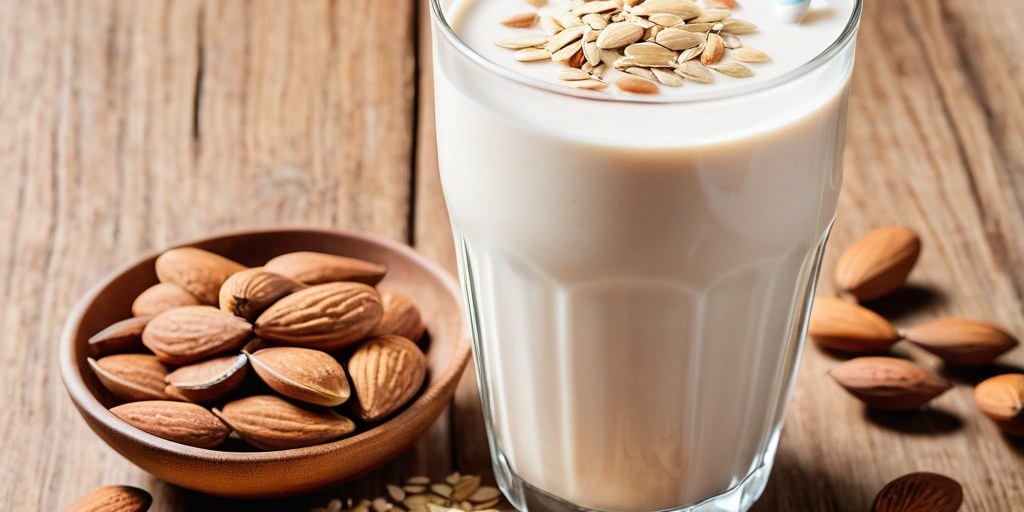
Oat milk, soy milk, almond milk, and other plant-based milks are all safe to drink throughout pregnancy — there's no pregnancy-specific restriction on any of them. The main thing worth knowing isn't a safety issue but a nutritional one: dairy milk is naturally a significant source of calcium and iodine, two nutrients that matter for your baby's bone development and thyroid function, and most unfortified plant milks naturally contain very little of either. The straightforward fix is choosing a fortified plant milk — most major UK and US brands now add calcium, and some add iodine and vitamin D too — so check the label if you're relying on plant milk as a dairy substitute rather than using it occasionally. Soy milk is the closest to dairy milk in protein content among the plant milks; oat and almond milk are lower in protein but that's not a pregnancy-specific concern as long as you're getting protein from elsewhere in your diet. There's no restriction on quantity for any variety.
What to be aware of
- All plant milks (oat, soy, almond, and others) are safe during pregnancy with no specific restriction.
- Choose a fortified version (calcium, and ideally iodine and vitamin D) if plant milk is your main milk, since unfortified versions are naturally low in these nutrients.
- Soy milk has the most protein of the common plant milks; this isn't a safety consideration, just worth knowing if comparing options.
US guidance
US guidance gives the same advice — plant milks are safe, and the FDA/USDA similarly recommend checking for fortification if using them as a primary milk source.