Pecorino
Pecorino is a hard cheese and is safe to eat during pregnancy, in the same way as Parmesan.
Last updated: October 2026 Cross-checked against NHS guidance
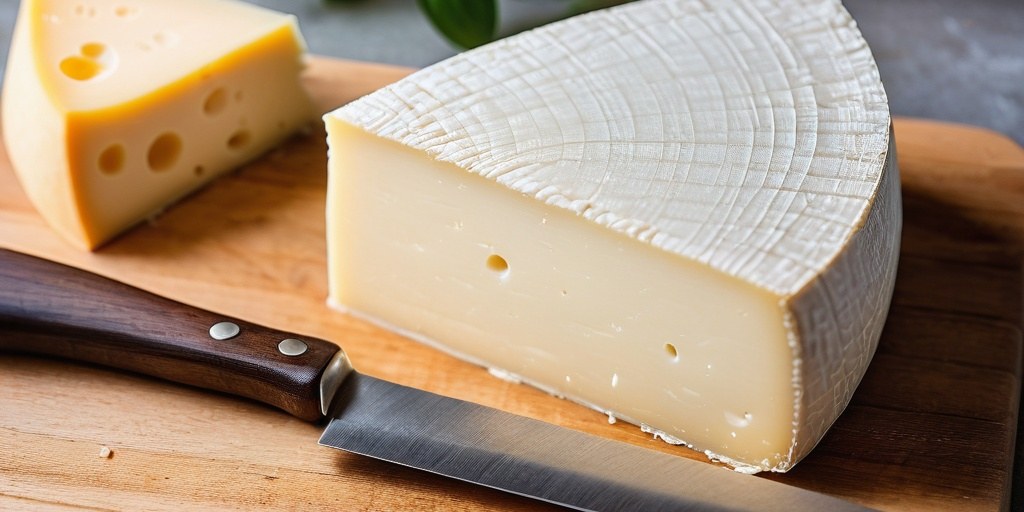
Pecorino — the Italian hard cheese made from sheep's milk, including varieties like Pecorino Romano and Pecorino Sardo — is safe to eat during pregnancy. Like other hard cheeses (Parmesan, mature Cheddar, Gruyère), its low moisture content means it doesn't support the growth of Listeria in the way that soft, high-moisture cheeses can, which is why hard cheeses as a category are considered safe regardless of whether they're made from pasteurised or unpasteurised milk — the hardness and low moisture are what matter, not the pasteurisation status specifically, though most Pecorino sold in UK and US supermarkets is made from pasteurised milk in any case. Pecorino is commonly grated over pasta dishes, used in pesto, or eaten in small chunks on a cheeseboard, and all of these are fine during pregnancy. It is a strong, salty cheese, so it's often used in small quantities, which also means it's not typically a significant contributor to overall calorie or fat intake even when enjoyed regularly.
What to be aware of
- Pecorino is a hard cheese and is safe during pregnancy, including unpasteurised varieties.
- Safe grated over pasta, used in pesto, or eaten on a cheeseboard.
- The same rule applies to other hard cheeses — Parmesan, mature Cheddar, Gruyère.