Paneer
Paneer is safe during pregnancy. It's a fresh, unfermented cheese made by curdling pasteurised milk, so it doesn't carry the Listeria risk of soft mould-ripened cheeses.
Last updated: October 2026 Cross-checked against NHS guidance
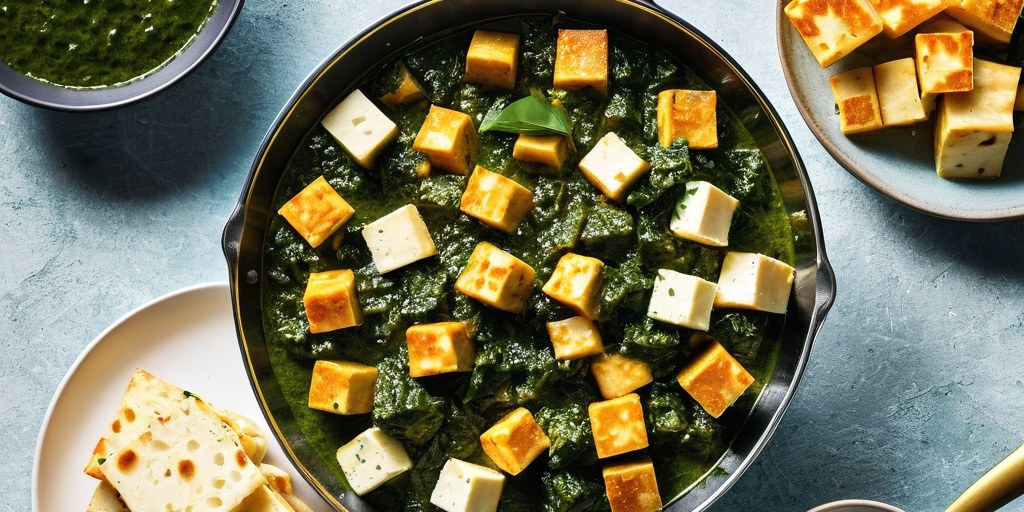
Paneer is made by curdling heated milk with an acid (usually lemon juice or vinegar) and pressing the curds — a quick, fresh process with no ageing, fermentation, or mould involved, which is exactly what separates it from the soft cheeses that genuinely need caution during pregnancy. The safety question with paneer is the same as with any dairy product: whether the milk it's made from was pasteurised. Paneer sold in UK and US supermarkets, and used in restaurants, is made from pasteurised milk and is safe to eat, including in dishes like paneer tikka, saag paneer, or eaten plain. The only situation worth being cautious about is homemade paneer made from unpasteurised (raw) milk, which would carry the same risk as any other unpasteurised dairy product — if you're making it yourself or unsure of the source, use pasteurised milk.
What to be aware of
- Shop-bought and restaurant paneer made from pasteurised milk is safe to eat, including in curries and grilled dishes.
- If making paneer at home, use pasteurised milk, not raw milk from an unverified source.
- No cooking requirement beyond normal food hygiene — paneer isn't a raw-risk food the way soft mould-ripened cheeses are.
US guidance
US guidance follows the same pasteurisation-based rule — fresh cheeses like paneer made from pasteurised milk are considered safe.