Kefir
Shop-bought kefir made from pasteurised milk is safe during pregnancy and is a good source of calcium and probiotics. Homemade kefir using raw, unpasteurised milk should be avoided.
Last updated: October 2026 Cross-checked against NHS guidance
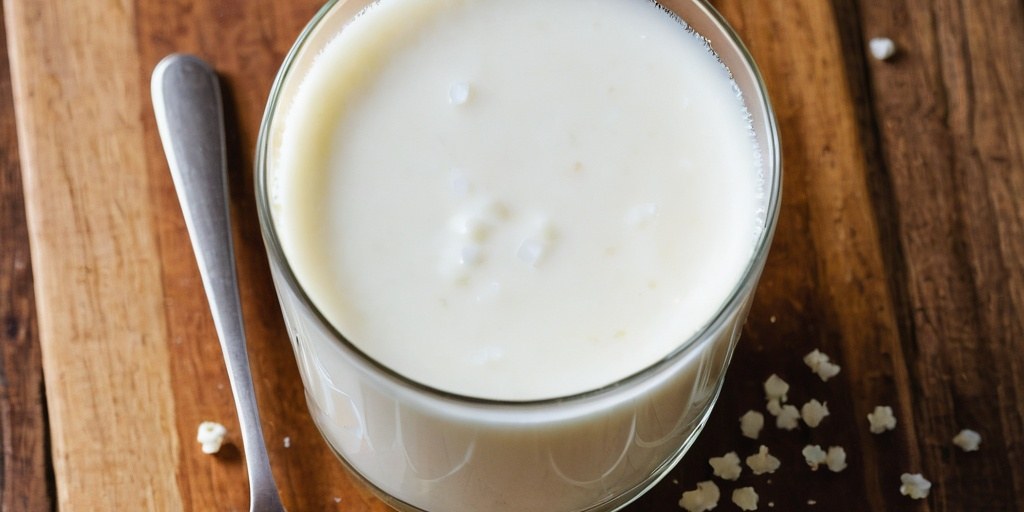
Kefir is a fermented, drinkable yogurt-like product made by fermenting milk with kefir grains (a culture of bacteria and yeast). Commercial kefir sold in UK and US supermarkets is made from pasteurised milk, and the fermentation process itself happens after pasteurisation under controlled conditions, which makes it safe to drink throughout pregnancy — the same logic that applies to pasteurised yogurt. Kefir is a good source of calcium, protein, and probiotics, and some brands fortify it with added vitamin D. The consideration worth knowing about is homemade kefir made by individuals fermenting raw, unpasteurised milk at home with their own kefir grains — a genuinely popular hobby — where the starting milk hasn't gone through pasteurisation, carrying the same Listeria risk as other unpasteurised dairy products regardless of the fermentation that follows. If you're making kefir at home, starting with pasteurised milk keeps it safe; if buying, any mainstream supermarket brand is fine.
What to be aware of
- Shop-bought kefir made from pasteurised milk is safe — check any brand you're unfamiliar with, though all major UK and US brands use pasteurised milk.
- Homemade kefir made with raw, unpasteurised milk should be avoided — use pasteurised milk if fermenting your own.
- Flavoured kefir is safe but can be higher in sugar — plain kefir with added fruit is a lower-sugar option.