Halloumi
Yes, you can eat halloumi cheese while pregnant. Most halloumi sold in UK and US supermarkets is made from pasteurised milk, and its semi-hard, brined texture makes it a lower Listeria risk than soft cheeses in any case — grilling or frying it, as it's most commonly eaten, removes any remaining doubt.
Last updated: October 2026 Cross-checked against NHS guidance
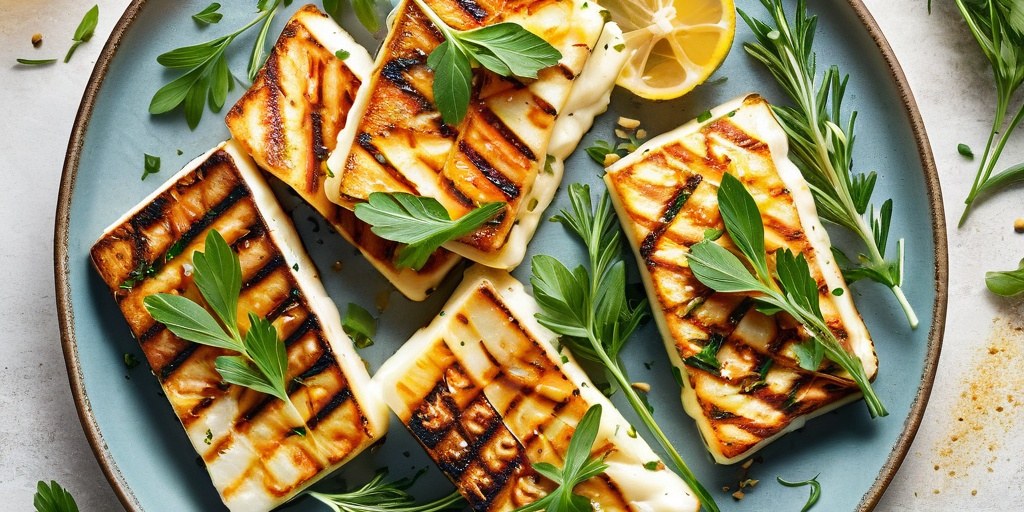
Halloumi is safe to eat during pregnancy, including the common shop-bought varieties found in UK and US supermarkets, which are almost always made from pasteurised milk. Halloumi is a semi-hard, brined cheese with a firmer texture than soft cheeses like Brie or cream cheese, which already puts it in a lower-risk category even before considering pasteurisation, since its moisture content is considerably lower than the soft, mould-ripened or fresh cheeses that carry the main Listeria concern in pregnancy. Halloumi is also most commonly eaten grilled or fried, which — as with any cheese — further reduces any residual doubt, since heat kills Listeria and other bacteria of concern. If you come across halloumi from a source where pasteurisation isn't confirmed, such as some imported or artisan Cypriot varieties, cooking it (which is the traditional and most common way to eat halloumi in any case) is a simple way to remove any uncertainty. Cold halloumi from a reputable, pasteurised commercial source, such as in a salad, is also fine. UK and other major-brand supermarket halloumi is made from pasteurised milk as standard — it's homemade or small-producer halloumi where pasteurisation is worth double-checking.
What to be aware of
- Standard shop-bought halloumi (pasteurised) is safe cold or cooked.
- Its semi-hard, brined texture is a lower Listeria risk than soft cheeses even before considering pasteurisation.
- If pasteurisation is unconfirmed (some imported or artisan varieties), grilling or frying — the most common way to eat halloumi — removes any doubt.