Crème Fraîche
Crème fraîche made from pasteurised milk is safe during pregnancy. Check the label if buying an artisan or imported product, as some traditional versions are made with unpasteurised milk.
Last updated: October 2026 Cross-checked against NHS guidance
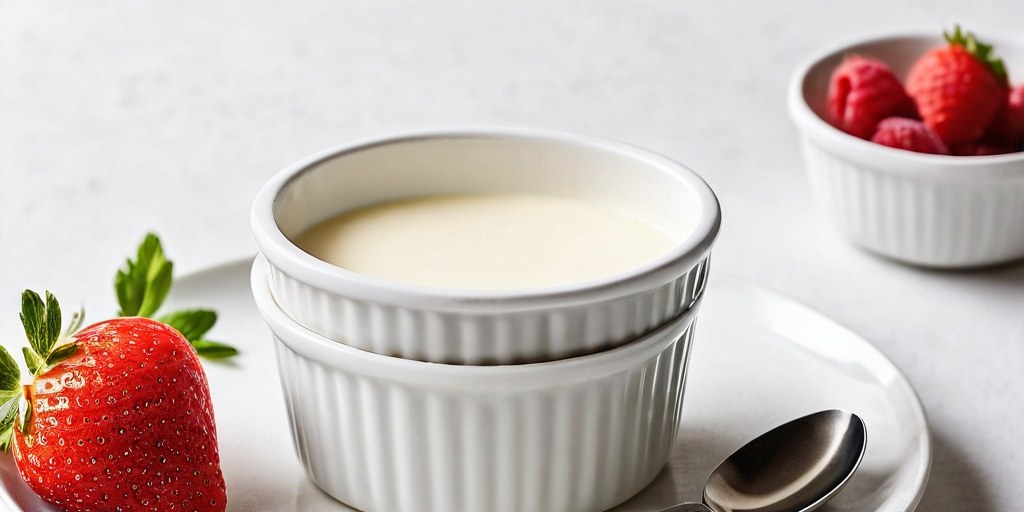
Crème fraîche — a soured, thickened cream popular in French cooking — is safe to eat during pregnancy when made from pasteurised milk, which is the case for the overwhelming majority of crème fraîche sold in UK and US supermarkets. It can be stirred into sauces, soups, and curries, used as a topping for desserts, or served alongside savoury dishes without any pregnancy-specific concern. As with other dairy products, the consideration is pasteurisation rather than the product type itself: crème fraîche is a soft, high-moisture dairy product, so if you come across an artisan, farm-shop, or imported version specifically labelled as made from unpasteurised or raw milk, it should be avoided in the same way as other unpasteurised soft dairy products, due to Listeria risk. Standard supermarket crème fraîche, full-fat or half-fat, is safe and does not need any special preparation or cooking before eating. It's often confused with sour cream, which is similarly safe for the same pasteurisation reason — the two are close cousins with a slightly different tang and fat content, not a safety distinction.
What to be aware of
- Standard supermarket crème fraîche (pasteurised) is safe to eat as is.
- Check labels on artisan, farm-shop, or imported crème fraîche for pasteurisation status.
- Avoid any version specifically made from unpasteurised or raw milk.