Seaweed & Nori
Seaweed and nori are safe in normal food amounts, such as a nori sheet around sushi rice or a small portion of seaweed salad. The concern is very high iodine content, so daily seaweed snacking or supplements are best avoided.
Last updated: October 2026 Cross-checked against NHS guidance
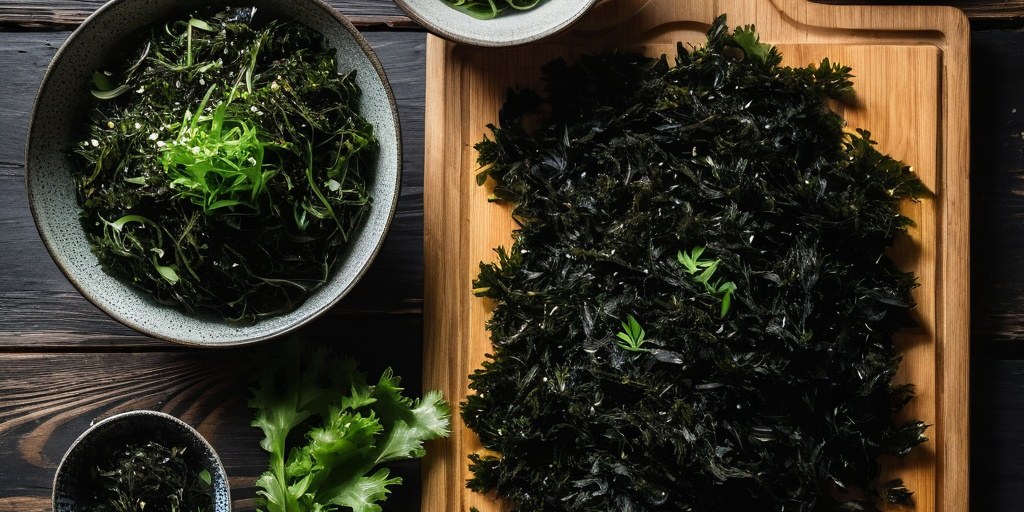
Seaweed — including nori (used to wrap sushi and sold as crispy snack sheets), wakame (seaweed salad), kombu, and dried seaweed used in Asian cooking — is safe in normal food-sized portions during pregnancy. The main consideration is iodine. Seaweed is one of the most concentrated dietary sources of iodine, which is essential during pregnancy for the baby's brain and nervous system development, but too much iodine can actually be as problematic as too little, potentially affecting thyroid function in both mother and baby. Iodine content varies enormously between seaweed types and brands — kelp and kombu tend to be extremely high in iodine, while nori is generally more moderate. Eating nori-wrapped sushi occasionally, or a small side portion of seaweed salad, is not a cause for concern. Daily seaweed snack packets, seaweed supplements, or kelp tablets are where the risk of excessive intake becomes real, and these are best avoided or discussed with a midwife or doctor first, particularly if you have a pre-existing thyroid condition.
What to be aware of
- Occasional seaweed in food — nori-wrapped sushi, a small portion of seaweed salad — is safe.
- Avoid daily seaweed snacking, kelp supplements, or seaweed/kelp tablets due to very high iodine content.
- Talk to your midwife or GP before taking any iodine-containing supplement, especially with a thyroid condition.