Pickles & Pickled Vegetables
Shop-bought pickles and pickled vegetables are safe during pregnancy — the vinegar and processing involved make them safe, though they're worth moderating for their salt content.
Last updated: October 2026 Cross-checked against NHS guidance
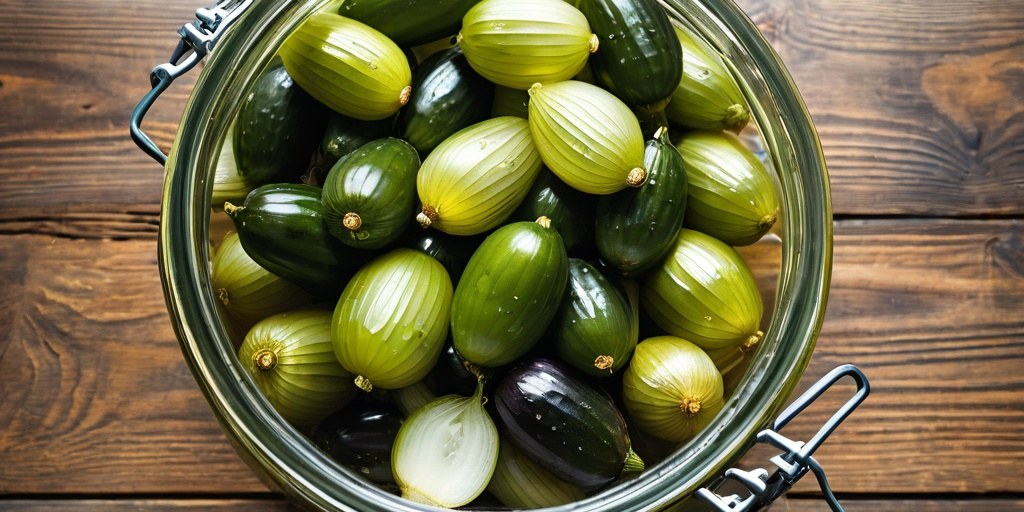
Pregnancy cravings for pickles are a genuine cultural cliché for a reason, and the good news is that standard shop-bought pickled vegetables — gherkins, pickled onions, jarred pickled chillies, and similar — are safe to eat throughout pregnancy. The vinegar (acetic acid) and processing used in commercial pickling creates an environment that bacteria like Listeria can't survive in, which is why these products are shelf-stable and considered safe cold, straight from the jar. The one thing worth moderating is salt: pickling brines are typically high in sodium, so it's worth keeping overall salt intake in mind if pickles become a regular, large-quantity craving rather than an occasional snack. The exception worth knowing about is informal, home-fermented pickles made without vinegar — a live fermentation process (like some traditional sauerkraut or kimchi-style ferments) rather than a vinegar-based one — where food safety depends entirely on the fermentation being done correctly; shop-bought versions of these are produced under controlled conditions and are fine, but a homemade batch from an inexperienced source carries more uncertainty, similar to other home-fermented foods.
What to be aware of
- Standard vinegar-based shop-bought pickles are safe cold, straight from the jar.
- Pickling brine is high in sodium — worth moderating if pickles become a large, frequent craving rather than an occasional snack.
- Home-fermented pickles (not vinegar-based) depend on the fermentation being done correctly — shop-bought fermented products are fine; an inexperienced homemade batch carries more uncertainty.
US guidance
US guidance treats commercially vinegar-pickled vegetables the same way — safe due to the acidity and processing involved.