Cauliflower
Cauliflower is safe throughout pregnancy, whether cooked or raw, and is a good source of fibre, vitamin C, and folate.
Last updated: October 2026 Cross-checked against NHS guidance
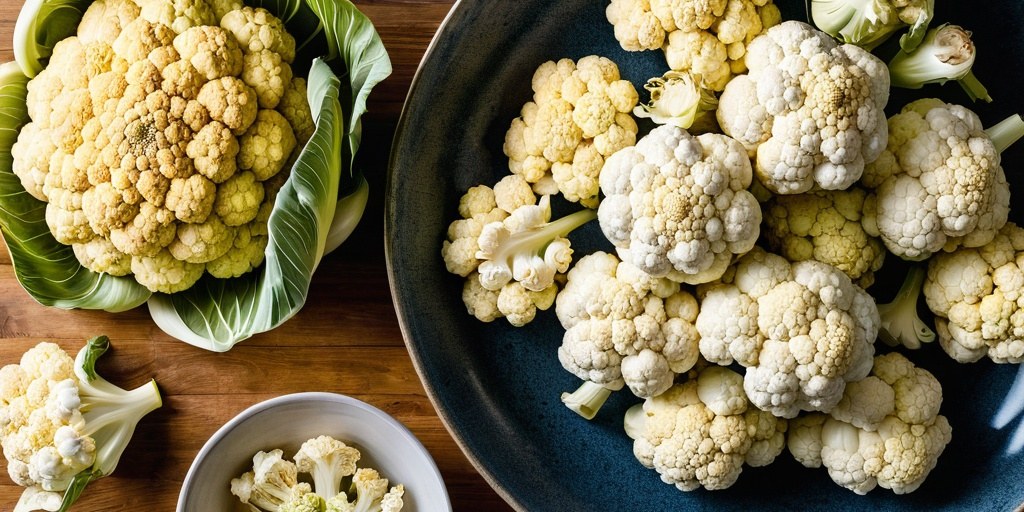
Cauliflower is safe to eat in any normal quantity throughout pregnancy, cooked or raw. It's a good source of vitamin C, fibre, and folate — particularly useful in the first trimester, when folate intake matters most for preventing neural tube defects. Cauliflower is also a source of choline, a nutrient that supports fetal brain development and is often under-consumed in Western diets. As with other vegetables eaten raw, such as in a salad or as crudités, wash it thoroughly first to remove any soil or bacteria from the surface. Cooked preparations — roasted, steamed, riced as a low-carb alternative to rice, or blended into a soup — are all safe with no additional precautions. Cauliflower (along with broccoli, cabbage, and other cruciferous vegetables) is sometimes mentioned anecdotally as a cause of digestive gas or bloating; this isn't a safety concern, just worth knowing if you notice it affects your comfort.
What to be aware of
- Wash raw cauliflower thoroughly before eating, the same as any raw vegetable or salad item.
- Cooked cauliflower (roasted, steamed, riced, or in soup) is safe with no additional precautions.
- Cruciferous vegetables like cauliflower can cause bloating or gas in some people — not a safety issue, just a comfort consideration.