Oysters
Raw oysters should be avoided during pregnancy due to the risk of Vibrio bacteria, norovirus, and other pathogens. Cooked oysters are safe.
Last updated: July 2026 Cross-checked against NHS guidance
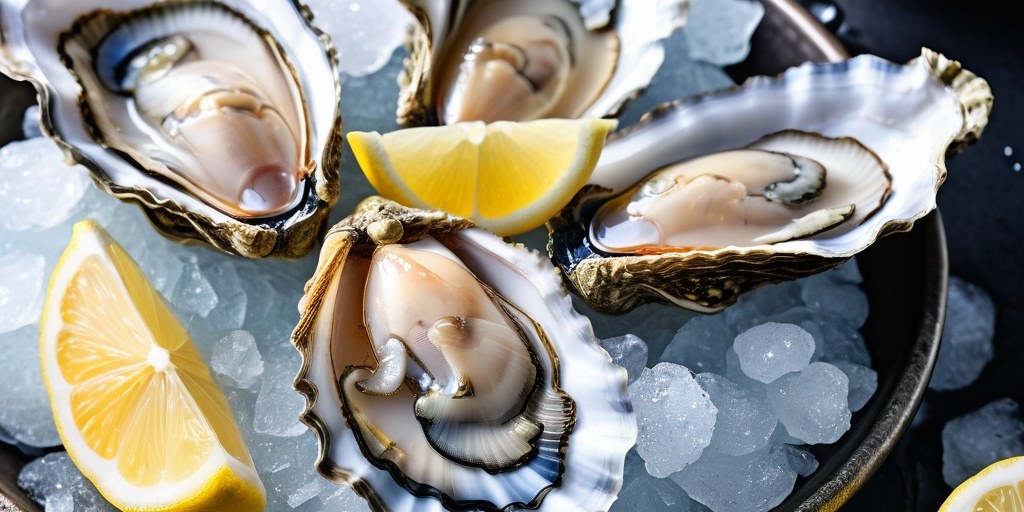
Raw oysters are one of the higher-risk foods during pregnancy and should be avoided. Oysters are filter feeders — they draw large volumes of seawater through their bodies, which means any bacteria or viruses present in the water become concentrated in the oyster's tissue. The main risks are Vibrio vulnificus and Vibrio parahaemolyticus bacteria, norovirus, and Hepatitis A. Pregnant women are more susceptible to these infections because the immune system is naturally suppressed during pregnancy, and some of these pathogens — particularly Vibrio — can cause severe illness that puts both mother and baby at risk. Raw oysters served on the half shell, in oyster shots, or in any uncooked preparation should be avoided entirely. The good news is that cooked oysters are safe — grilled, baked, steamed, or deep-fried oysters where the flesh is completely cooked through pose no risk. Oyster sauce (the condiment) is also safe, as it is made from cooked oyster extract.
What to be aware of
- Avoid all raw oysters throughout pregnancy — on the half shell, in shots, or any uncooked preparation.
- Cooked oysters are safe — they must be fully cooked until opaque and firm throughout.
- Oyster sauce (the condiment) is safe to use in cooking.
- At restaurants, always clarify whether oysters are raw or cooked before ordering.
- Smoked oysters from a tin are typically cooked and safe — check the label to confirm.
Safe substitutes for Oysters during pregnancy
If you're craving oysters but it's off the menu for now, these are safe swaps that still feel like a proper meal:
- Cooked oysters — Grilled, baked, or steamed oysters cooked until fully opaque are completely safe and still delicious.
- Cooked mussels — A similar shellfish experience — steamed mussels cooked until open are safe and nutritious during pregnancy.
- Cooked prawns — A versatile, safe shellfish option that works in most dishes where oysters might be used.
- Tinned smoked oysters — These are cooked during processing — check the label confirms they are fully cooked before eating.
US guidance
FDA and CDC guidance in the US is explicit — raw shellfish including oysters, clams, and mussels should be avoided during pregnancy due to Vibrio and other pathogen risks. The US has a higher incidence of Vibrio infections than the UK due to warmer coastal waters, making this particularly well-documented guidance.