Hibiscus Tea
Hibiscus tea should be avoided during pregnancy. It can lower blood pressure and has been associated with uterine contractions in research studies.
Last updated: July 2026 Cross-checked against NHS guidance
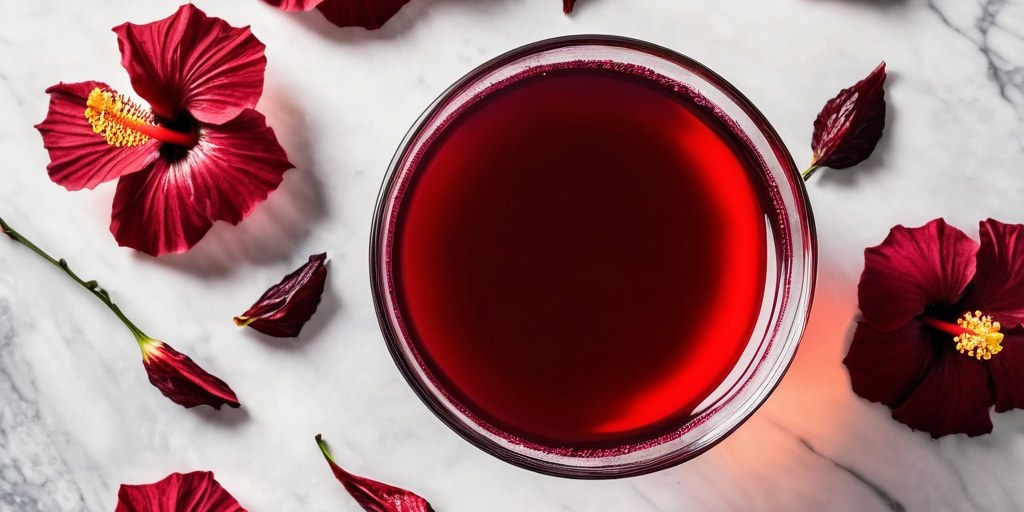
Hibiscus tea — made from dried hibiscus flowers and often sold as 'red zinger', sorrel tea, or karkade — is a popular caffeine-free herbal drink, but it should be avoided during pregnancy. Hibiscus contains compounds including anthocyanins and hibiscein that have been shown in studies to have a uterotonic effect — meaning they can stimulate uterine muscle contractions. There is also evidence that hibiscus can significantly lower blood pressure, which is a concern during pregnancy when blood pressure changes are already closely monitored. Some research has also suggested hibiscus may have emmenagogue properties (stimulating menstrual flow). Hibiscus is commonly found in fruit-flavoured herbal tea blends — look for it in the ingredients list on teas labelled as 'berry', 'cranberry', 'tropical', or 'red' flavoured. It is a very common ingredient in commercial blended herbal teas and is easy to overlook. Check ingredient labels on any herbal or fruit tea during pregnancy.
What to be aware of
- Avoid hibiscus tea throughout pregnancy.
- Check the ingredients on all herbal and fruit tea blends — hibiscus is a very common ingredient in 'red', 'berry', and 'tropical' flavoured teas.
- Hibiscus is sometimes labelled as roselle, sorrel, karkade, or red zinger.
- This applies to iced hibiscus drinks, hibiscus cordials, and hibiscus in cocktail-style drinks.
Safe substitutes for Hibiscus Tea during pregnancy
If you're craving hibiscus tea but it's off the menu for now, these are safe swaps that still feel like a proper meal:
- Rooibos tea — Naturally caffeine-free with a similar warm, slightly sweet flavour and completely safe in pregnancy.
- Peppermint tea — Refreshing, caffeine-free, and safe throughout pregnancy.
- Nettle tea — Nutritious and safe — a good daily herbal tea for pregnancy.
- Fruit-infused water — Sliced strawberries, raspberries, or citrus in sparkling or still water gives a fruity flavour with no hibiscus risk.
US guidance
US guidance from the American Pregnancy Association and most ob-gyn organisations similarly advises avoiding hibiscus during pregnancy due to its potential uterotonic effects.