Unpasteurised Juice
Unpasteurised (raw) fruit and vegetable juice should be avoided during pregnancy due to the risk of E. coli, Salmonella, and Listeria.
Last updated: July 2026 Cross-checked against NHS guidance
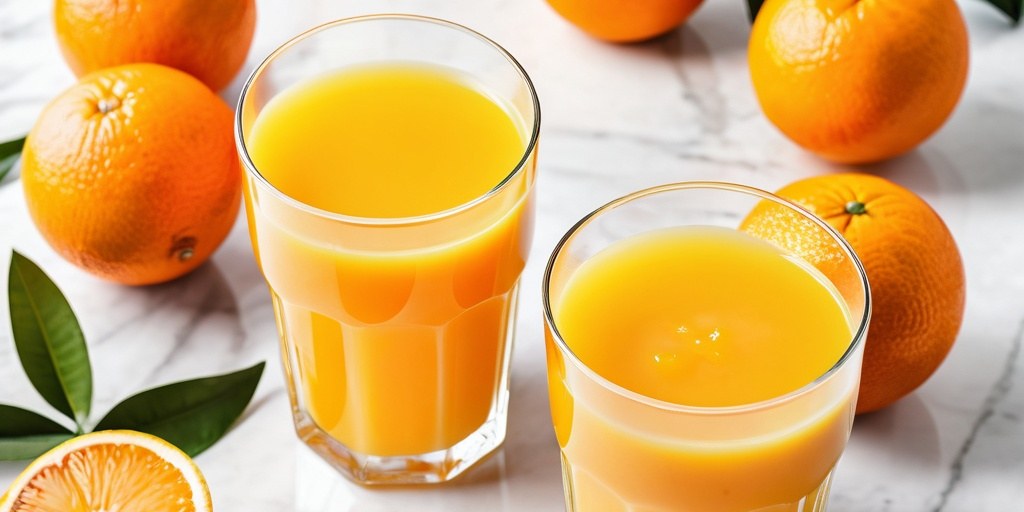
Freshly squeezed juice that has not been pasteurised carries a risk of bacterial contamination including E. coli O157:H7, Salmonella, and Listeria monocytogenes. Pasteurisation — the process of heating juice to kill harmful bacteria — is standard in supermarket juices but is not applied in some freshly pressed juices sold at juice bars, markets, farm shops, and some delis. The bacteria can originate from the fruit's skin, from equipment, or from handling, and because the juice is not heated, these pathogens are not destroyed before consumption. Pregnant women are advised to avoid unpasteurised juices and should choose pasteurised alternatives instead. The label should state 'pasteurised' — if it does not, assume it is unpasteurised. Freshly squeezed juices made at home are also unpasteurised and should be consumed immediately after pressing, not stored.
What to be aware of
- Avoid unpasteurised juices from juice bars, delis, market stalls, and farm shops during pregnancy.
- Always check the label — choose juices that clearly state 'pasteurised'.
- If pressing juice at home, consume it immediately and do not store it — bacteria multiply rapidly.
- Smoothies made with whole fruit at home are generally safe as they include the fibre and you control the ingredients.
- Even pasteurised juice should be consumed in moderation due to its high sugar content — up to 150ml per day.
Safe substitutes for Unpasteurised Juice during pregnancy
If you're craving unpasteurised juice but it's off the menu for now, these are safe swaps that still feel like a proper meal:
- Pasteurised fruit juice — Supermarket juices are pasteurised and safe to drink in moderation (up to 150ml per day). Check the label.
- Whole fruit — Eating the whole fruit provides the same vitamins plus fibre, which slows sugar absorption and is more filling.
- Home smoothies with whole fruit — Blending whole, washed fruit at home gives you a nutritious drink without unpasteurised juice concerns.
- Sparkling water with fruit — Add sliced citrus or berries to sparkling water for a refreshing, safe, low-sugar alternative.
US guidance
FDA guidance in the US is consistent — pregnant women should avoid unpasteurised juices. In the US, unpasteurised juices are required by law to carry a warning label stating they have not been pasteurised.