Unpasteurised Milk
Unpasteurised (raw) milk and products made from it should be avoided during pregnancy due to the risk of Listeria, E. coli, Salmonella, and Campylobacter.
Last updated: July 2026 Cross-checked against NHS guidance
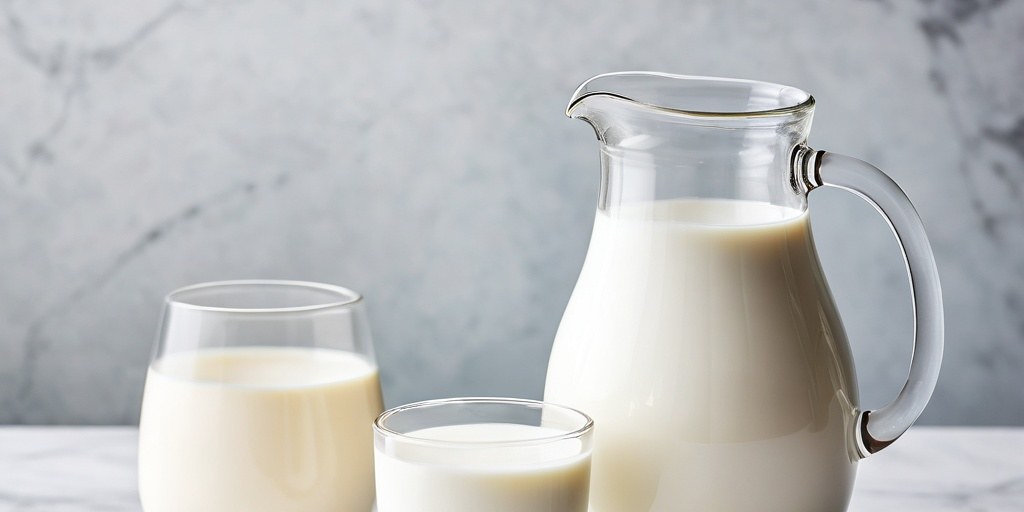
Unpasteurised milk — also called raw milk — has not been heat-treated to kill harmful bacteria. It can contain Listeria monocytogenes, E. coli O157:H7, Salmonella, and Campylobacter, all of which can cause serious illness and are particularly dangerous during pregnancy. Listeriosis in pregnancy can cause miscarriage, stillbirth, or severe illness in a newborn. Campylobacter and Salmonella cause food poisoning that is more severe in pregnancy when immune function is naturally suppressed. Pasteurisation kills these pathogens reliably without significantly affecting the nutritional content of milk. The NHS and Food Standards Agency advise all pregnant women to avoid unpasteurised milk and any products made from it — including some farmhouse cheeses, certain yogurts, and butter from small producers. In the UK, raw milk can legally be sold direct from the farm and is available at some farm shops and farmers' markets. It is always labelled as unpasteurised. All milk sold in supermarkets is pasteurised and completely safe.
What to be aware of
- Avoid raw or unpasteurised milk in any form throughout pregnancy.
- This includes goat's milk, sheep's milk, and buffalo milk if unpasteurised.
- Avoid cheese, yogurt, and butter made from unpasteurised milk.
- All major supermarket milk is pasteurised and safe.
- Farm shop and farmers' market milk may be raw — check the label or ask.
Safe substitutes for Unpasteurised Milk during pregnancy
If you're craving unpasteurised milk but it's off the menu for now, these are safe swaps that still feel like a proper meal:
- Pasteurised whole milk — Safe throughout pregnancy and provides the same calcium, protein, and vitamins as raw milk.
- Pasteurised semi-skimmed milk — Lower in fat but equally safe — the most widely consumed variety in the UK.
- Fortified plant-based milks (oat, soya, almond) — Safe alternatives if you are dairy-free — choose varieties fortified with calcium and vitamin D.
- Pasteurised yogurt and cheese — All supermarket dairy products are made from pasteurised milk and are safe to eat.
US guidance
FDA guidance in the US is consistent — raw milk and raw milk products are specifically listed as foods to avoid during pregnancy. The sale of raw milk for human consumption is banned in many US states, making this less of a concern than in the UK where farm sales are permitted.