Pregnancy food guidance, in plain English

Soft & Mould-Ripened Cheese

Soft mould-ripened cheeses like Brie, Camembert, and soft blue cheeses should be avoided during pregnancy due to Listeria risk. They are safe if cooked until piping hot.

Avoid during pregnancy
Soft & Mould-Ripened Cheese

The NHS advises avoiding mould-ripened soft cheeses such as Brie, Camembert, Chèvre (soft goat's cheese), and any soft cheese with a white mouldy rind. Soft blue-veined cheeses such as Gorgonzola, Roquefort, and Dolcelatte should also be avoided. These cheeses can contain Listeria bacteria, which causes listeriosis — an infection that can be dangerous in pregnancy and may in rare cases lead to miscarriage, stillbirth, or serious illness in a newborn. The higher moisture content of these cheeses creates conditions where Listeria can grow more easily. The good news is that cooking these cheeses until piping hot all the way through kills any Listeria, making baked Brie or a hot cheese sauce with Gorgonzola perfectly safe.

What to be aware of

  • Avoid soft mould-ripened cheeses with white rinds — including Brie, Camembert, and soft goat's cheese.
  • Avoid soft blue-veined cheeses — including Gorgonzola, Roquefort, and Dolcelatte.
  • These cheeses are safe if cooked until piping hot throughout.
  • Cream cheese, mascarpone, ricotta, and mozzarella made from pasteurised milk are safe.
  • Hard blue cheese (Stilton) is safe — see the hard cheese guidance page.

US guidance

FDA guidance in the US is consistent with NHS advice and advises avoiding soft cheeses made from unpasteurised milk. The FDA also advises caution with any soft cheese unless clearly labelled as made with pasteurised milk.

Pregnancy-safe recipes

These recipes are designed with pregnancy safety in mind.

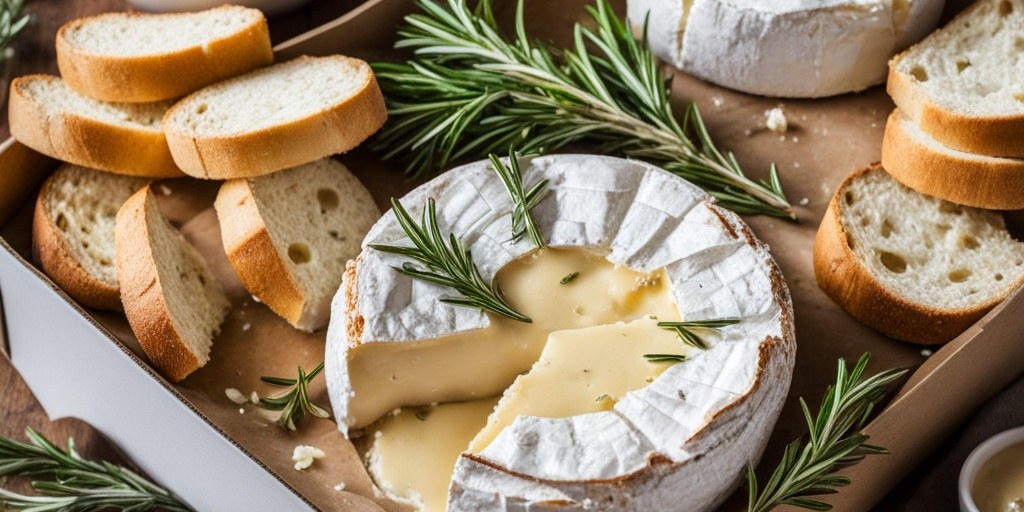
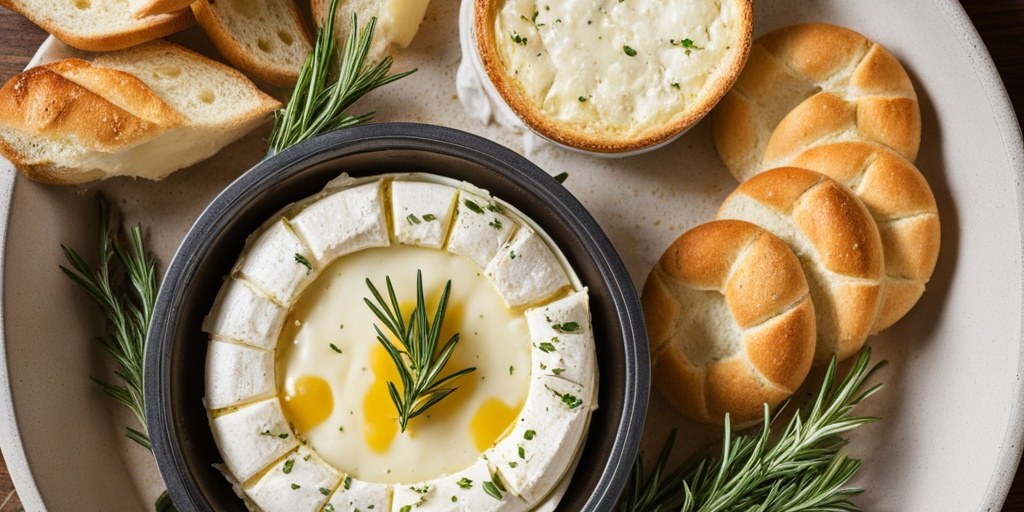
Baked Camembert with garlic and rosemary

Baked Camembert with garlic and rosemary

Soft cheese is safe when cooked until piping hot throughout — this baked Camembert is the perfect example.

Pregnancy tip: The Camembert must be piping hot and fully liquid inside. Test with a skewer — if it comes out hot from the centre, it is safe to eat.

Ingredients

  • 1 whole Camembert in its wooden box
  • 2 cloves garlic, thinly sliced
  • 2 sprigs fresh rosemary
  • 1 tsp olive oil
  • Crusty baguette or breadsticks to serve

Method

  1. Preheat oven to 200°C (180°C fan).
  2. Remove any plastic wrapping and return the Camembert to its box.
  3. Score the top in a crosshatch and push in garlic and rosemary.
  4. Drizzle with olive oil.
  5. Bake for 20 minutes until piping hot and completely liquid inside.
  6. Test the centre with a skewer — it should come out very hot.
  7. Serve immediately with bread for dipping.